

GGT as predictor of coronary collateral development in chronic coronary total occlusion
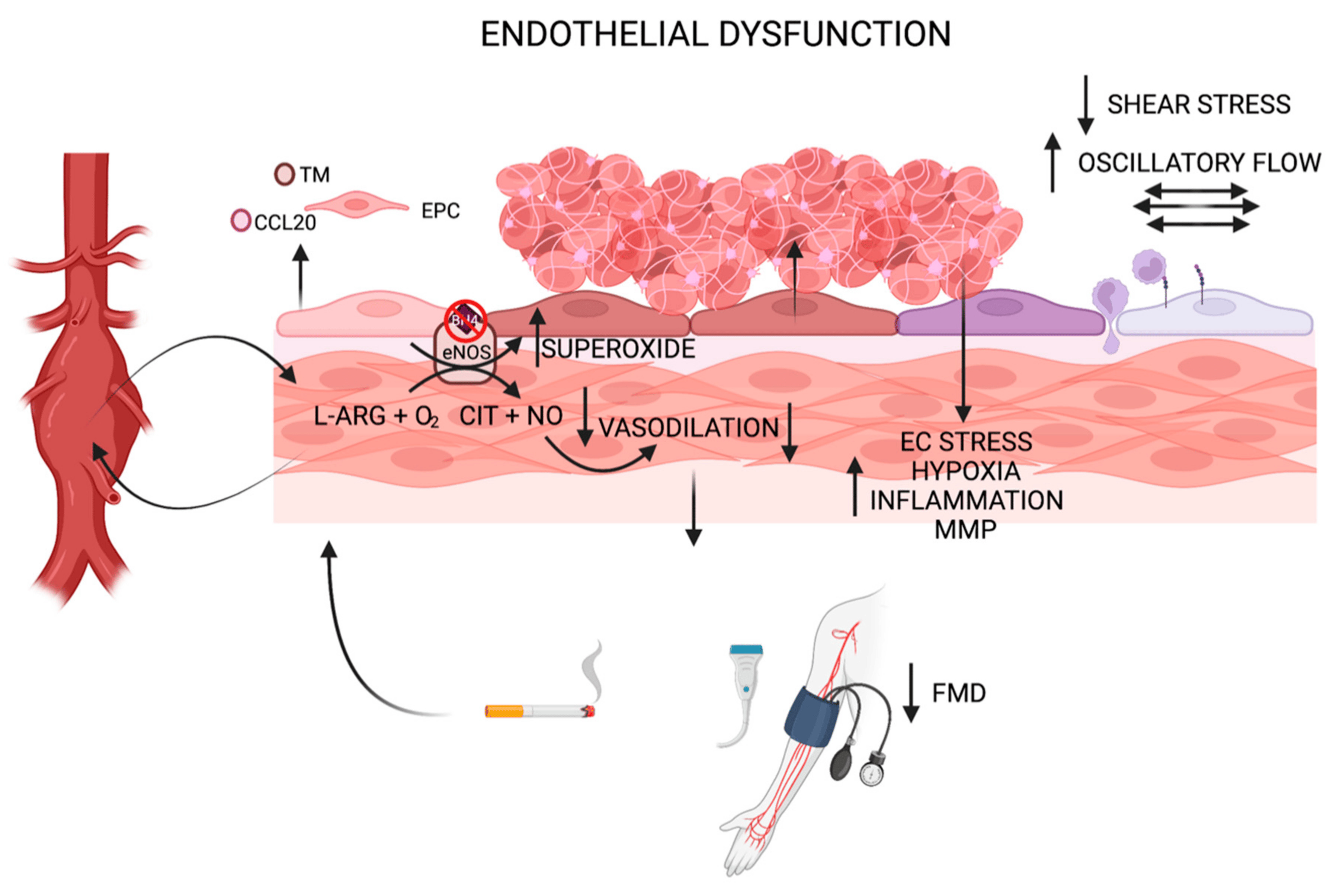
Gamma glutamyl transferase is a component of intracellular antioxidant-protective mechanisms acting as a mediator in transmembranous transport of glutathione that protects cells against oxidants (2). A high GGT level indicates the response to oxidant stress, which leads to the depletion of glutathione and induces the expression of GGT. Oxidative stres leads to impairment in endothelial dysfunction and disruption in signal transduction of growth factors, which may induce deterioration in the development of collateral circulation. A high GGT level is an indicator of oxidative stress and may predict poor collateral development in patients with CTO. As already investigated by me and my colleagues, besides being an indicator of anti-oxidant capacity, in the presence of a transition metal such as iron, GGT and glutathion may alter their function from an antioxidant to a pro-oxidant, leading to the formation of free radicals and lipid peroxidation (3, 4). In our study we found that GGT and uric acid levels may independently predict poor collateral development in patients with CTO. From this point of view, results of the study conducted by Sahin et al. confirm our results. It is documented that well grown collateral circulation has beneficial effects on ventricular function, infarct size, and aneurysm formation (5). Taken together with results of Şahin’s study, we conclude that GGT may be used as a readily available marker for coronary collateral development.
Bahadır Şarlı, Ahmet Oğuz Baktır
Clinic of Cardiology, Kayseri Education and Research Hospital; Kayseri-Turkey


0 yorum