
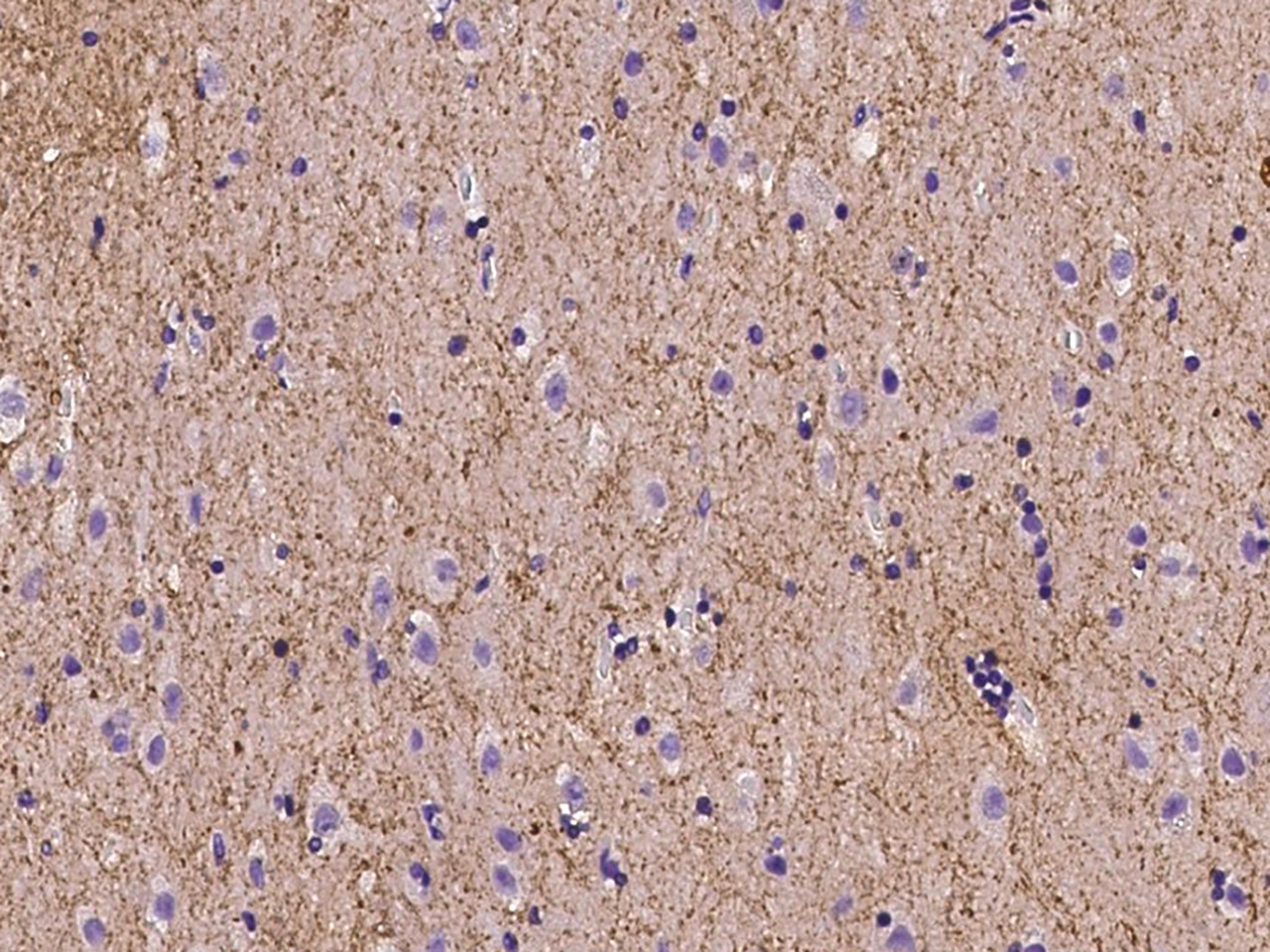
Tenascin-C as predictor of left ventricular remodeling and mortality in patients with dilated cardiomyopathy
Methods: Sixty-six patients with DCM were followed up for 12 months after initiation of medical treatment including carvedilol, ramipril (candesartan if ramipril was not tolerated), spironolactone, and furosemide. Tenascin-C and NT-proBNP measurements and transthoracic echocardiography were performed at baseline and at 12 months.
Results: At 12 months, a significant improvement in New York Heart Association class (2.57 ± 0.6 vs. 1.87 ± 0.5; P < 0.0001), left ventricular end-diastolic volume (217 ± 47 vs 203 ± 48; P < 0.0001), left ventricular ejection fraction (29.1 ± 5.5 vs 30.9 ± 3.8; P < 0.0001), NT-proBNP (2019 ± 558 vs 1462 ± 805; P < 0.0001), and tenascin-C (76 ± 19 vs 48 ± 28; P < 0.0001) values were observed, compared with baseline. Importantly, decrease in tenascin-C values were correlated with increase in left ventricular ejection fraction. Tenascin-C (odds ratio [OR], 1.896; <95% confidence interval [CI], 1.543-2.670; P = 0.02), diabetes mellitus (OR, 2.456; G95% CI, 1.987-3.234; P = 0.01) and hypertension (OR: 2.106, <95% CI, 1.876-2.897; P = 0.03) were independent predictors of mortality in patients with DCM.
Conclusion: Reverse ventricular remodeling obtained with carvedilol, ramipril/candesartan, and spironolacton is associated with decreases in left ventricular end-diastolic volume, left ventricular end-systolic volume, tenascin-C levels, and NT-proBNP levels. Consequently, tenascin-C may be used to evaluate reverse remodeling in patients with DCM.



0 yorum